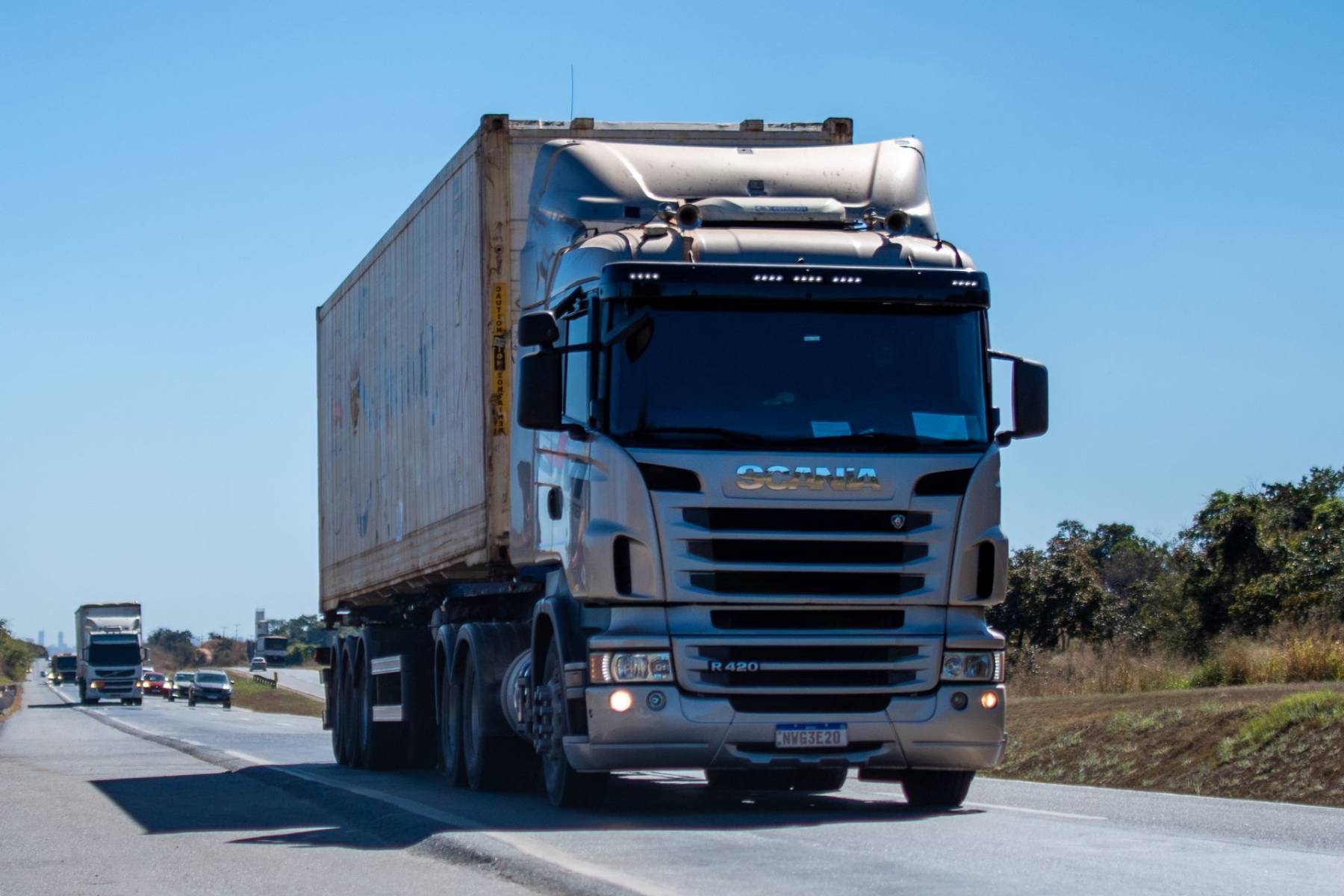
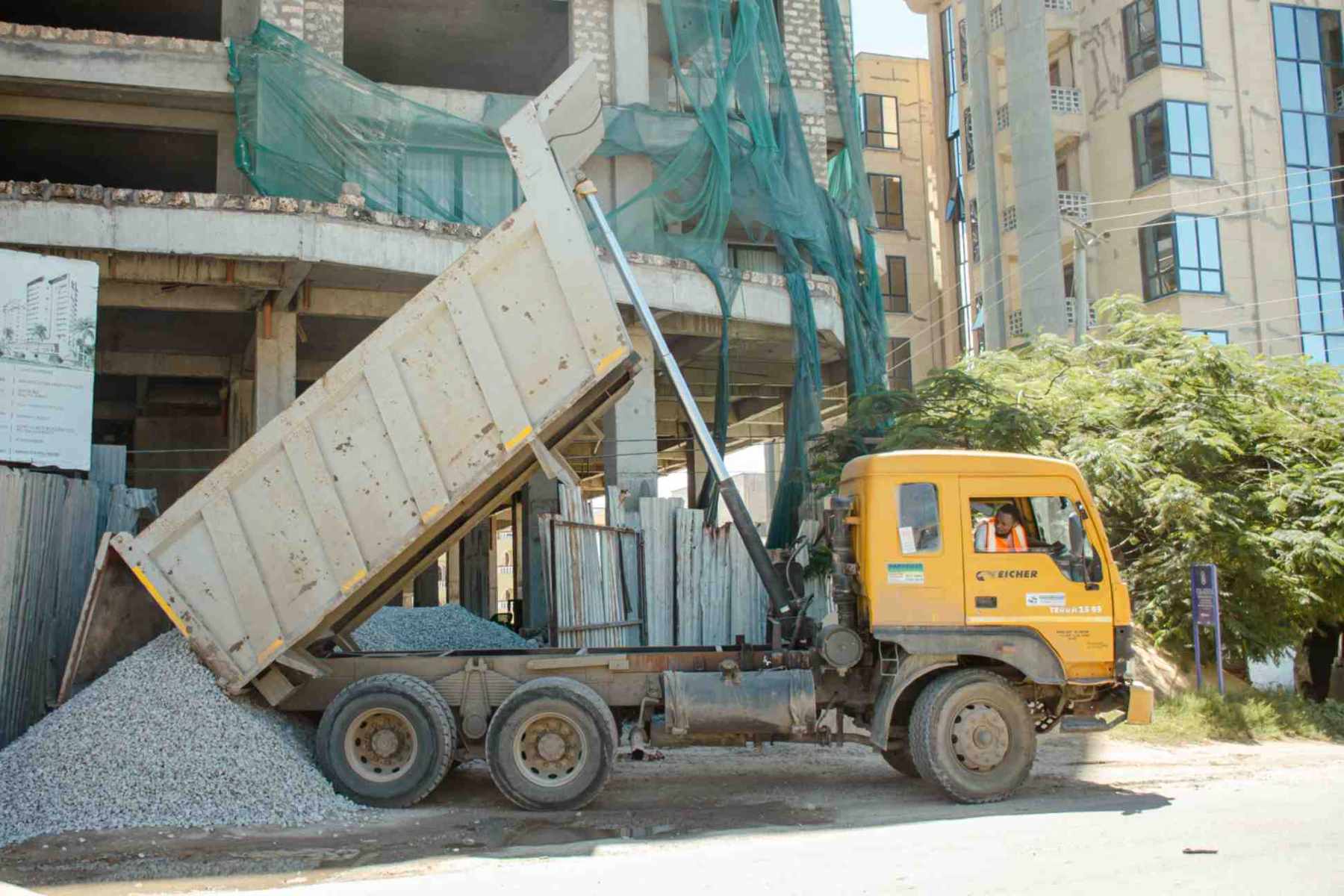

Whether you are planning a road project, a construction site, or a large-scale earthworks programme, understanding tipper truck hire costs in Kenya before you call a single operator will save you significant money and prevent avoidable surprises.
The cost of hiring a tipper truck in Kenya is one of the most searched questions in the country’s construction and transport sector, and yet it remains one of the most poorly answered. A quick search returns vague forum posts, outdated price lists, and general articles that stop short of giving you the actual numbers and variables you need to budget accurately for your project. This guide does the opposite. It gives you a clear, honest breakdown of what tipper truck hire costs in Kenya, what factors move that price up or down, and what questions to ask any operator before you commit to an agreement.
Kenya’s construction boom is real and accelerating. Infrastructure projects, housing developments, road expansions, quarry operations, and large-scale earthworks across Mombasa. That demand has brought with it a wide range of operators, from large professional fleet companies to individual truck owners operating informally. The difference in price between these two categories can be significant. The difference in reliability can be even larger.
Understanding the market before you enter it is the smartest thing any project manager, site engineer, or procurement officer can do. So let us start with the numbers.
[ IMAGE PLACEHOLDER ]Insert: Waveluck Logistics tipper truck loaded and ready at a Mombasa construction site — recommended size 1200 x 600px
Current tipper truck hire rates in Kenya
Tipper truck hire rates in Kenya are structured in two primary ways: daily hire rates and trip-based rates. Which structure works best for your project depends on the nature of your operation, the distance materials need to travel, and whether you need a truck on standby throughout the day or only for specific haulage runs.
Tipper truck hire costs in Kenya vary depending on several factors, including the size of the truck, the project location, fuel requirements, and whether an operator is included. Larger trucks generally attract higher rates, while transport distance, terrain, and fuel costs also influence the final price. For accurate pricing, request a customized quotation based on your specific project requirements.
The seven factors that affect tipper truck hire costs in Kenya
No two tipper truck hire arrangements in Kenya are priced identically, because no two projects are identical. The rate you are quoted will be shaped by a combination of the following seven factors. Understanding each one puts you in a much stronger position when negotiating with operators.
Truck size and payload
Tipper trucks in Kenya range from 5-tonne light tippers to 30-tonne heavy-duty construction tippers. The larger the payload capacity, the higher the daily or trip rate. A 10-tonne tipper will typically cost 30 to 50 percent more per day than a 7-tonne equivalent, but will move significantly more material per trip, often making the larger truck the more cost-effective choice for high-volume projects.
Distance and route conditions
Trips within Mombasa urban zone are priced differently from long-haul haulage to upcountry project sites. Fuel consumption increases significantly on unpaved or steep terrain, and operators factor this into their rates. Routes with road toll charges or police check-point delays also attract higher pricing from professional operators who account for real operational costs honestly.
Fuel arrangement
Some operators quote rates inclusive of fuel, while others quote excluding fuel and add a fuel levy separately. This distinction matters significantly when comparing quotes. A rate that looks cheaper but excludes fuel can end up being more expensive in total than an all-inclusive rate from another operator. Always confirm what is included before making any comparison.
Hire duration
Short-term spot hires typically attract premium rates because they offer the operator less revenue certainty. Week-long, monthly, and project-based contract arrangements almost always carry better per-day rates than single-day hires. If your project requires a tipper truck for several weeks or months, negotiating a contract arrangement from the start will deliver meaningful cost savings compared to booking day by day.
Material type
The type of material being hauled affects both the loading and offloading time and the wear on the truck. Dense materials like rocks, concrete rubble, and wet clay are harder on vehicles than sand or murram, and operators may price accordingly. Hazardous or regulated materials require additional permits and attract a compliance premium on top of the base haulage rate.
Standby and waiting time
Construction sites frequently involve delays: loading queues, site access restrictions, weighbridge checks, and offloading congestion can significantly extend the time a truck spends on your site per trip. Professional operators build a standby rate into their agreements, typically applied after a defined free waiting period. Understanding how this is charged prevents budget surprises mid-project.
Fleet size and operator type
A single-truck owner-operator will often quote a lower day rate than a professional fleet company. However, if that truck breaks down, your project stops. A professional fleet operator can redeploy a replacement vehicle quickly, maintaining your site’s momentum. The difference in rate between the two options rarely justifies the downtime risk on a deadline-sensitive project.
Daily hire vs. trip rate: which structure works for your project?
Choosing between a daily hire rate and a per-trip rate for your tipper truck hire in Kenya is a decision that can significantly affect your total cost. The right answer depends on how your site operates and how many trips you realistically need per day.
Best for: active sites
Daily hire rate
Works best when you need a truck continuously throughout the working day and can confidently make five or more trips. The truck is dedicated to your site, you control the schedule, and your cost per trip decreases the more trips you complete. Ideal for large earthworks, demolition clearance, and continuous aggregate delivery programmes.
Best for: variable demand
Per-trip rate
Works best when your material needs are irregular, you only need occasional deliveries, or your site cannot always receive a truck continuously. You pay only for the trips you use, with no standby cost for idle time. Ideal for smaller construction jobs, phased delivery schedules, and projects in early-stage mobilisation where volumes are not yet fully predictable.
Best for: long projects
Monthly contract
Works best for projects running six weeks or longer that require consistent daily haulage. Monthly contracts deliver the lowest per-day cost and give both the client and operator the certainty needed to plan resources, maintenance schedules, and staffing efficiently. The most cost-effective structure for major construction and infrastructure projects.
[ IMAGE PLACEHOLDER ]Insert: Multiple Waveluck tipper trucks lined up at a quarry or construction project site — recommended size 1200 x 500px
What to ask before hiring a tipper truck in Kenya
The quality of the questions you ask before signing any hire agreement determines the quality of the arrangement you end up with. When evaluating any tipper truck hire Kenya operator, the following questions should be asked and answered in writing before any agreement is confirmed.
- 1 Is the rate inclusive of fuel?Clarify this upfront. An all-inclusive rate and a rate excluding fuel can look identical on paper but differ significantly in total cost. Request a full itemised quote showing base rate, fuel levy if applicable, and any other charges.
- 2 What is the standby or waiting time policy?Find out how long the operator allows free of charge before standby rates kick in, and what that standby rate is per hour. Construction sites always involve waiting, and this clause can add meaningfully to your bill if it is not understood in advance.
- 3 What happens if the truck breaks down?Ask specifically about the operator’s breakdown response process. Can they replace the truck within the same working day? A professional fleet operator will have a clear answer. An owner-operator with a single vehicle may not.
- 4 Is the truck and driver fully insured?Request copies of the truck’s insurance certificate covering both third-party liability and cargo. Verify that the driver holds a valid commercial driving licence and has current NTSA certification. This protects your project from legal exposure in the event of an accident.
- 5 What is the maximum legal payload for the truck?Overloading a tipper truck is illegal in Kenya and attracts significant fines at weighbridge checkpoints. A professional operator will be clear about their vehicle’s legal payload limit and will not load beyond it. Any operator who pressures you to load beyond the legal limit is exposing your project to unnecessary risk.
- 6 Can you provide a formal hire agreement?Any professional tipper truck hire Kenya operator should be able to provide a written hire agreement that clearly states the rate structure, the scope of work, payment terms, and each party’s responsibilities. Avoid operators who work exclusively on verbal agreements or informal WhatsApp confirmations.
Why the cheapest tipper truck is rarely the best value
Every experienced site manager in Kenya has a story about hiring the cheapest available tipper truck and paying for it in project delays, mechanical breakdowns, overweight fines, or disputes over undocumented charges. The lesson is consistent: the cost of hiring a tipper truck in Kenya is not just the daily rate. It is the total cost of the arrangement, including the cost of downtime, the cost of unreliability, and the cost of dealing with an operator who does not have your project’s best interests at heart.
A professional tipper truck hire operator charges a fair rate because they maintain their vehicles, pay their drivers properly, carry comprehensive insurance, and have the operational systems to deliver consistently over time. That rate may be 10 to 20 percent higher than the cheapest informal option. But a single day of site downtime caused by a broken-down informal truck can cost far more than that 20 percent premium across an entire month of reliable professional service.
From the Waveluck Logistics operations desk
“The clients who get the best value from tipper truck hire in Kenya are not the ones who find the lowest rate. They are the ones who find the right operator, agree clear terms upfront, and build a working relationship that delivers consistently throughout the life of their project. That is the arrangement we build with every client we work with.”
Why Waveluck Logistics is Kenya’s trusted tipper truck hire partner
Waveluck Logistics operates one of Mombasa most reliable commercial tipper truck fleets, serving construction companies, government infrastructure contractors, quarry operators, and developers across Kenya. Our rates are competitive, transparent, and fully itemised. We do not apply hidden charges, we do not cut corners on maintenance, and we do not leave a client’s site waiting because of a preventable breakdown.
Every tipper truck in our fleet is GPS-tracked, regularly serviced to a preventive maintenance schedule, fully insured, and operated by a trained, licenced driver. For clients with ongoing haulage requirements, we offer dedicated contract arrangements that deliver cost certainty, reliable daily capacity, and a single point of contact who knows your project and your site.
Whether you need sand delivery in Mombasa, aggregate haulage for a road project, construction debris clearance at a development site, or a dedicated tipper fleet for a large-scale earthworks programme, Waveluck Logistics has the vehicles, the drivers, and the operational experience to deliver. Request a quote today and receive a full, itemised proposal with no surprises.
- GPS-tracked fleet with real-time visibility and delivery confirmation for every trip
- Transparent pricing with fully itemised quotes and no hidden charges
- Preventive maintenance programme keeping fleet uptime consistently high across all vehicles
- Trained, licensed drivers with current defensive driving certification and NTSA compliance
- Flexible hire structures covering spot hire, weekly, monthly, and long-term project contracts
- Rapid breakdown response with fleet replacement capability to keep your site running
- Formal hire agreements for every engagement with clearly defined terms and responsibilities
[ IMAGE PLACEHOLDER ]Insert: Waveluck Logistics branded tipper truck at work on an active construction or road project site — recommended size 1200 x 550px
Get a transparent tipper truck hire quote today
Tell us your project location, material type, and estimated duration. We will send you a full itemised proposal within 24 hours.