
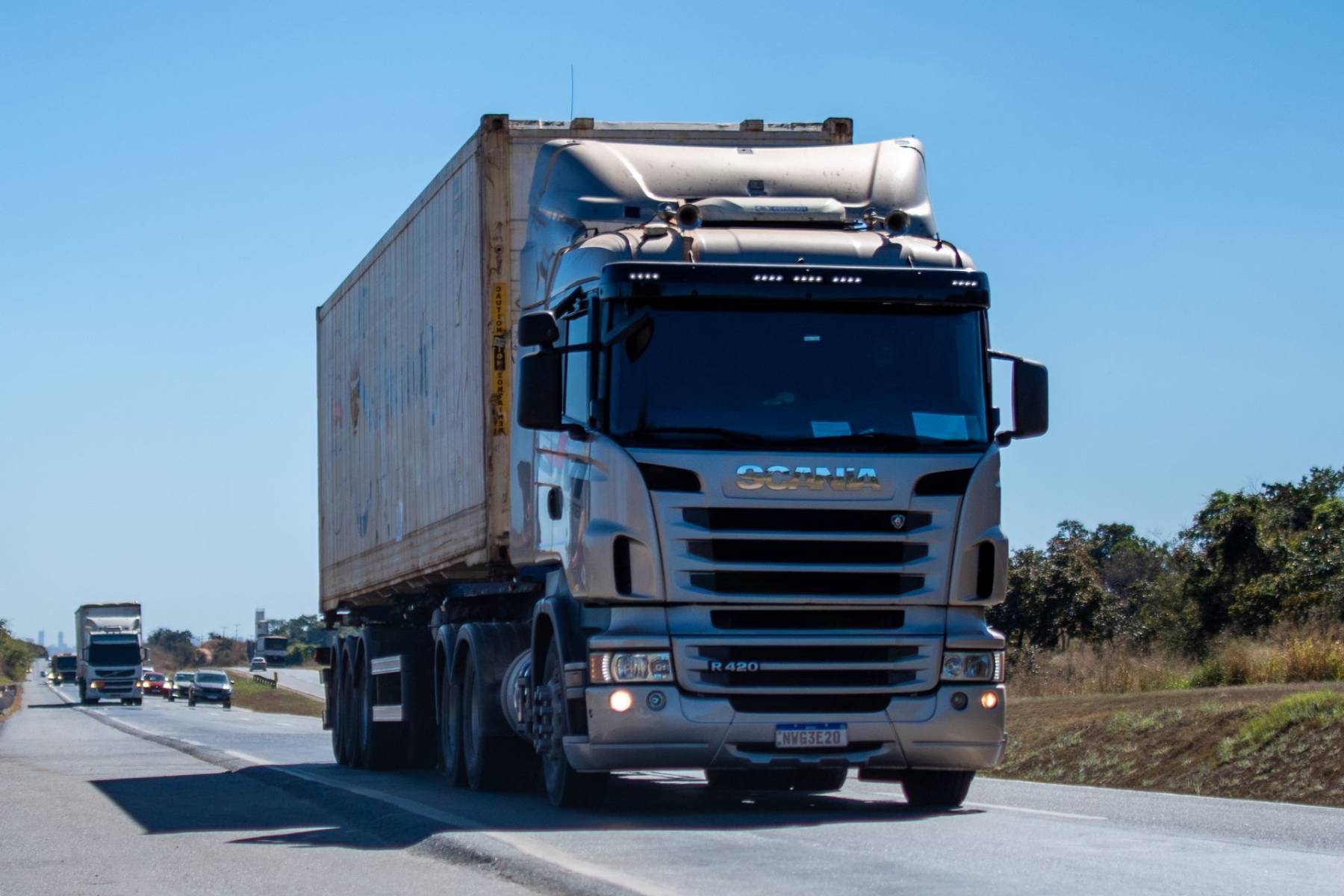

Finding the right transport partner can make or break your supply chain. Here is everything you need to know before you sign a contract.
Choosing a reliable logistics company in Kenya is one of the most consequential decisions any business operating in East Africa will make. Whether you are a construction firm hauling aggregates across Nairobi, a manufacturer distributing goods to upcountry retailers, or an importer clearing cargo through the Port of Mombasa, the quality of your logistics partner directly determines whether your operations run smoothly or grind to a costly halt.
Kenya’s transport and logistics sector has grown significantly over the past decade, fuelled by infrastructure investment, expanding trade corridors, and the rise of e-commerce. But growth has also brought complexity. There are now hundreds of companies offering truck hire, freight, and haulage services — and the difference between a professional, licensed operator and an unreliable one is not always obvious at first glance. Knowing what to look for before you commit can save your business enormous amounts of time, money, and frustration.
This guide walks you through the seven most important factors to evaluate when selecting a logistics company in Kenya, the questions you should always ask before signing any contract, and the warning signs that should make you walk away.
[ IMAGE PLACEHOLDER ]Insert: Professional photograph of a branded logistics fleet on a Kenyan highway — recommended size 1200 x 600px
1. Verify licensing and legal compliance
The first thing any business should confirm when evaluating a logistics company in Kenya is whether it holds all the required government licences and certifications. In Kenya, legitimate commercial transport operators must be registered with the National Transport and Safety Authority (NTSA), hold valid goods movement permits for the cargo categories they transport, and carry comprehensive third-party liability insurance for all vehicles in their fleet.
This matters more than many business owners realise. An unlicensed transporter operating illegally may offer attractive rates, but if their vehicle is impounded at a weigh station or police checkpoint, your cargo — and your deadline — go with it. Worse, if there is an accident and the operator has no valid insurance, your business could face significant financial exposure.
Ask any logistics company you are considering to provide copies of their NTSA registration, vehicle inspection certificates, and insurance documentation. A professional, reputable operator will provide these without hesitation. Reluctance or deflection on this question is a serious red flag.
Key checkpoint
“Always ask for proof of NTSA registration, valid vehicle inspection certificates, and comprehensive cargo insurance before signing any logistics agreement. A trustworthy logistics company in Kenya will share these documents readily — because they have nothing to hide.”
2. Assess fleet quality and maintenance standards
The physical condition of a logistics company’s fleet tells you almost everything you need to know about how they run their business. A well-maintained fleet means on-time deliveries, fewer mechanical breakdowns mid-route, safer cargo handling, and a company culture that takes professionalism seriously. A poorly maintained fleet is a liability — no matter how low the quoted rate.
When evaluating a transport company in Kenya, ask to see their fleet. Look at the age and condition of the vehicles, the state of the tyres and hydraulics on tippers, and whether vehicles are clearly branded and professionally presented. Ask about their preventive maintenance schedule — how often vehicles are serviced, who does the servicing, and what the process is when a vehicle breaks down mid-journey.
The best logistics companies in Kenya also operate GPS-tracked fleets, which provides real-time visibility of every vehicle’s location and enables rapid response when issues arise. GPS tracking is not just a technology feature — it is a signal that the company operates transparently and is serious about accountability to its clients.
3. Evaluate driver quality and training
A truck is only as reliable as the person behind the wheel. When assessing a logistics company in Kenya, the quality of their drivers is a critical but frequently overlooked factor. Professional logistics operators invest heavily in driver training — not just in obtaining the required driving licences, but in defensive driving techniques, load security procedures, cross-border customs protocols, and emergency response.
Poorly trained or fatigued drivers are responsible for a significant proportion of Kenya’s road accidents involving commercial vehicles. Beyond the obvious safety implications, a single accident caused by driver error can result in lost cargo, legal liability, reputational damage, and project delays that cascade across your entire supply chain.
Ask prospective logistics partners about their driver recruitment standards, what ongoing training programmes they run, and how they manage driver fatigue on long-haul routes. Companies that take driver welfare seriously — adequate rest stops, regulated working hours, and regular health checks — are companies that take your cargo seriously too.
[ IMAGE PLACEHOLDER ]Insert: Photograph of a professional driver safety briefing or training session — recommended size 1200 x 500px
4. Check their regional reach and route knowledge
Kenya is a geographically diverse country with road conditions that vary enormously between Nairobi’s urban highways, upcountry murram roads, and the northern corridor routes that stretch toward Uganda, South Sudan, and Ethiopia. A logistics company in Kenya that knows how to navigate this diversity — both physically and administratively — is worth significantly more than one that only operates comfortably in predictable conditions.
For businesses with cross-border supply chain requirements, regional reach is especially important. The East African Community’s single customs territory has simplified cross-border trade significantly, but practical knowledge of border procedures at Namanga, Busia, Malaba, and Taveta still makes a material difference to transit times and cargo security. Ask specifically about the routes your logistics partner regularly operates on, their relationships with customs agents at key border points, and their track record on cross-border deliveries.
5. Demand transparent pricing and clear contract terms
Pricing transparency is one of the clearest differentiators between professional and amateur logistics operators in Kenya. A reputable freight company in Kenya will provide you with a detailed, itemised quotation that clearly breaks down rate components — base haulage rate, fuel levy, loading and offloading charges, overnight standby fees, and any applicable border or customs handling charges.
Opaque pricing — a single lump sum with no breakdown — leaves your business exposed to dispute, hidden costs, and budget overruns. It can also indicate that the operator is not keeping proper financial records, which raises broader questions about their business management standards.
- Always request an itemised quote — never accept a vague all-in figure
- Ensure the contract specifies what happens in case of delay, damage, or breakdown
- Confirm how fuel surcharge adjustments are calculated and communicated
- Check that liability for cargo damage is clearly defined and insured
- Look for a formal Service Level Agreement with measurable performance targets
- Ensure invoicing and payment terms are clearly stated and mutually agreed
6. Look for a proven track record and client references
Reputation in the logistics industry is earned through consistent, reliable delivery — not through marketing materials or a professional-looking website. When evaluating a logistics company in Kenya, always ask for verifiable client references. A company with genuine operational experience in your industry will be happy to connect you with existing clients who can speak to their performance in real-world conditions.
Pay particular attention to references from clients in your specific sector. Construction haulage, FMCG distribution, and cold chain logistics each come with unique demands. A logistics partner that excels at construction site tipper work may not be the right fit for the precision timing requirements of retail distribution — and vice versa. Sector-specific experience matters.
Online reviews, industry association memberships, and media coverage can also provide useful signals. However, nothing replaces a direct conversation with a real client who can tell you, honestly, how the company performed when things went wrong — because things always go wrong at some point, and what separates professional operators from unreliable ones is how they respond when they do.
[ IMAGE PLACEHOLDER ]Insert: Photograph of Waveluck Logistics operations team or client handshake moment — recommended size 1200 x 550px
7. Evaluate their communication and customer service
The best transport company in Kenya is not necessarily the one with the largest fleet — it is the one that communicates proactively, keeps you informed at every stage of a delivery, and makes it easy to get answers when you have questions or concerns. In logistics, silence is expensive. A delay that you know about two hours in advance can be managed. A delay you discover only when a deadline has already passed can damage client relationships, trigger contractual penalties, and create operational chaos.
When assessing a logistics partner’s communication standards, ask about their client reporting process. Do they provide delivery confirmation updates? Is there a dedicated account manager who knows your business? What is the process for raising a service complaint, and how quickly are complaints resolved? The answers to these questions will tell you whether you are dealing with a company that views client relationships as transactional, or one that genuinely invests in long-term partnerships.
Why Waveluck Logistics stands apart
At Waveluck Logistics, we have built our reputation as one of Kenya’s most dependable logistics companies by taking every one of the factors above seriously — not as a checklist, but as the foundation of how we operate every single day. Our fleet of Tipper Trucks and Isuzu commercial vehicles is fully licensed, GPS-tracked, and maintained to rigorous preventive maintenance schedules that keep uptime consistently high and breakdowns consistently rare.
Our drivers are trained professionals, not casual contractors. Every member of our driving team holds current defensive driving certification, is covered by comprehensive insurance, and operates under working hour regulations that keep fatigue off our roads. Our operations centre runs around the clock, ensuring that clients always have a real person to call when they need an update, a reroute, or an urgent dispatch.
We serve construction companies, government infrastructure projects, manufacturers, commodity distributors, and businesses of all sizes across Kenya and the broader East African region. Whether you need a single tipper truck for a day or a dedicated fleet for a multi-month project, we structure our service agreements around your operational reality — with transparent pricing, formal SLAs, and the kind of accountability that only comes from a company that genuinely cares about its reputation.
If you are looking for a logistics company in Kenya that combines professional fleet management, regional expertise, and a client-first culture, we would love to hear from you.
Ready to move with confidence?
Get a transparent, no-obligation quote from Waveluck Logistics today.
Related keywordslogistics company in Kenyatransport company Nairobitruck hire Kenyafreight services Kenyatipper truck hire Nairobiconstruction haulage Kenyacross-border logistics East Africareliable haulage company Kenya




Sure