
From the mist-covered highlands of Kenya to the rolling gardens of Rwanda and Uganda, East African tea has earned its place at the top table of global tea commerce. Here is why the world keeps coming back for more.
East African tea is widely regarded as the finest tea in the world — and that is not marketing language. It is the considered opinion of tea blenders, importers, and tasting panels from London to Tokyo to Dubai who have spent decades working with leaves from every major tea-producing region on earth. When the world’s most respected tea brands need a base that delivers bold colour, bright liquor, and a clean, brisk finish that holds up through milk and sugar, they reach for East African tea. They have been doing so for over a century, and nothing on the horizon suggests that is about to change.
But what exactly makes East African tea so exceptional? Why does Kenya consistently dominate the global black tea export rankings? What distinguishes a Rwandan highland tea from a standard garden-grade blend? And — if you are a buyer, an importer, a brand owner, or simply someone who takes their morning cup seriously — where can you actually source authentic, high-quality East African tea at a competitive price?
This article answers all of those questions in depth. By the end, you will understand the geography, science, and commerce behind East Africa’s extraordinary tea industry — and you will know exactly where to go to buy it.
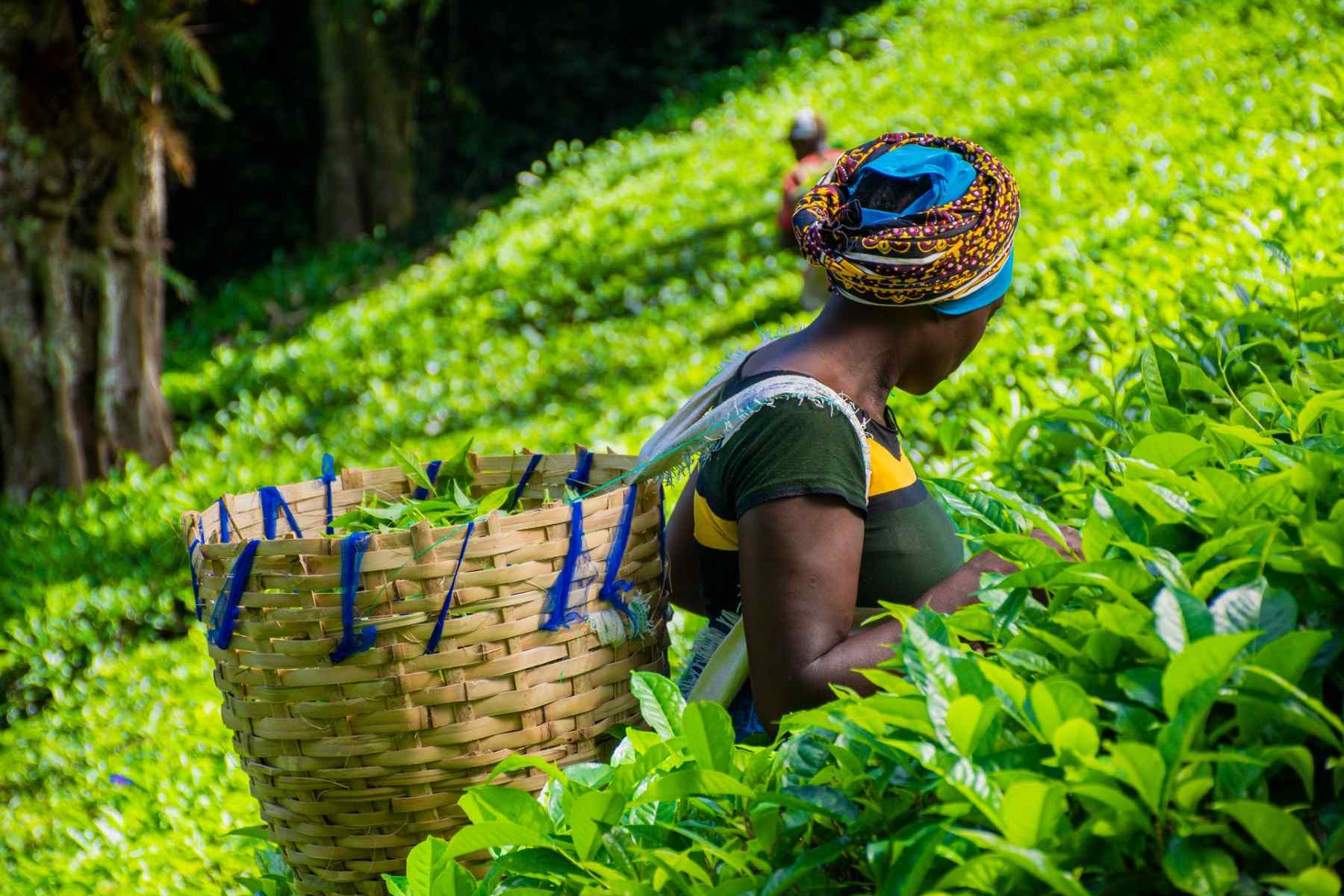
[ IMAGE PLACEHOLDER ]Insert: Aerial photograph of a Kenya highland tea estate in full flush — recommended size 1200 x 600px
The geography that makes East African tea extraordinary
The secret to East African tea quality begins in the soil and the sky. Kenya’s primary tea-growing regions — the Rift Valley highlands, the Kericho plateau, Nandi Hills, and Limuru — sit at elevations between 1,500 and 2,700 metres above sea level. At these altitudes, cool temperatures slow the growth of the tea plant, allowing more complex flavour compounds to develop within each leaf before harvest. The result is a density of flavour that lower-altitude teas simply cannot replicate.
The volcanic soils of the East African highlands are exceptionally well-drained and rich in the organic matter that tea plants thrive on. Coupled with a climate that provides well-distributed rainfall throughout the year — unlike the pronounced single or double flush seasons of Darjeeling or Assam — Kenya’s tea gardens produce consistent, year-round yields of remarkable quality. This means that buyers of Kenyan tea can rely on a steady supply of high-grade leaf in every month of the calendar, a supply reliability that few other origins can match.
Rwanda, Uganda, and Tanzania contribute their own distinct profiles to the broader East African tea portfolio. Rwanda’s Nyungwe and Virunga region teas are prized for their particularly bright, clean liquor — a characteristic that makes them highly sought after by specialty tea brands and premium private label buyers. Uganda’s Ankole and Mount Elgon teas offer a fuller, earthier character that blends beautifully with Kenyan CTC in high-volume commercial formulations.
3rd
Largest tea producer globally
#1
Black CTC tea exporter worldwide
500K+
Tonnes exported annually from Kenya
2,700m
Peak growing altitude in metres
Understanding East African tea grades
One of the most important things any buyer of East African tea needs to understand is the grading system. Tea grades are not arbitrary labels — they reflect the size and processing method of the leaf particle, which in turn determines the strength, colour, and brewing behaviour of the tea. Knowing your grades is the difference between sourcing exactly what you need and ending up with a product that does not perform as expected in your blend or on your shelf.
Kenya predominantly produces CTC — Cut, Tear, Curl — tea, a processing method that produces small, uniform particles designed to brew quickly and deliver maximum colour and strength. This is the tea that forms the backbone of most of the world’s popular retail tea brands. The most common CTC grades from Kenyan tea estates are as follows:
BP
Broken Pekoe
Larger particle, slower brew, excellent for teapot and loose-leaf retail formats. Produces a rich, coppery cup.
PF
Pekoe Fannings
Medium particle, widely used in standard tea bags. Reliable colour and strength with a smooth finish.
BOPF
Broken Orange Pekoe Fannings
Premium fannings grade. Bright, brisk liquor with exceptional colour. Preferred by premium retail brands globally.
Dust 1
Fine Dust
Smallest particle, fastest brew. Produces the deepest colour and most intense strength. Ideal for string-and-tag tea bags.
For buyers sourcing East African tea for private label or blending purposes, grade selection is a critical part of the product development process. A grade that is perfect for a supermarket own-brand breakfast blend may be entirely wrong for a premium loose-leaf specialty line. Working with an experienced sourcing partner who understands your end product is therefore essential.
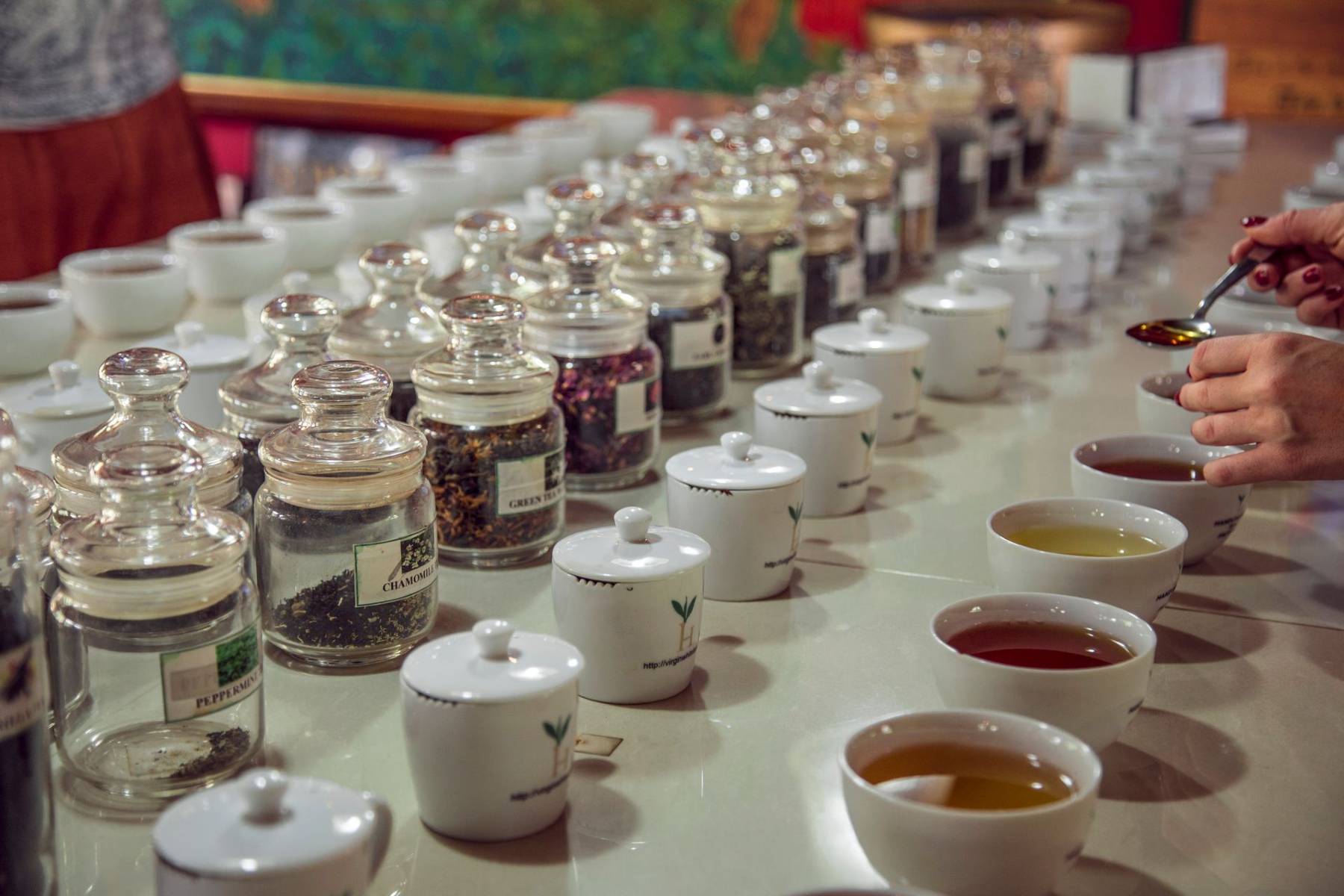
[ IMAGE PLACEHOLDER ]Insert: Close-up photograph of different East African tea grades laid out for comparison — recommended size 1200 x 500px
Why global brands cannot get enough of East African tea
Walk into any supermarket in the United Kingdom, the UAE, Pakistan, or Egypt and pick up the most popular tea brand on the shelf. Turn it over and read the fine print. In the vast majority of cases, you will find East African tea — and almost certainly Kenyan tea — listed as a primary component of the blend. This is not coincidence. It is the result of decades of deliberate sourcing decisions by the world’s most sophisticated tea blenders.
The reason is straightforward: East African tea does things that no other tea on earth does quite as well. Its colour is unmatched — a deep, luminous amber that looks spectacular whether poured clear or with milk. Its strength is reliable and consistent, batch after batch, season after season. Its flavour is clean and brisk without the astringency that plagues some lower-quality origins. And its price-to-quality ratio, particularly for Kenyan CTC, remains one of the most competitive of any major tea-producing country.
For blenders, this combination of qualities is invaluable. A blend built on a Kenyan tea base almost always outperforms one built on lesser origins — in cup quality, in consumer satisfaction scores, and in the shelf presence that drives repeat purchase. It is why the world’s biggest tea brands have been anchoring their blends with East African tea for generations, and why that relationship shows no sign of weakening.
Industry insight
“East African tea — particularly Kenyan CTC — is the backbone of the global tea industry. Remove it from the supply chain and the world’s most popular tea blends would collapse almost overnight. Its strength, colour, and consistency are simply irreplaceable at commercial scale.”
Where East African tea is sold and traded
The primary marketplace for East African tea is the Mombasa Tea Auction — the largest tea auction in the world by volume, processing over 400 million kilograms of tea annually. Held weekly at the Mombasa Tea Auction Centre, it brings together tea brokers, producers, and buyers from across the globe to trade Kenya’s tea crop in a competitive, price-transparent environment. The auction sets the benchmark price for Kenyan tea each week, influencing tea markets from London to Colombo.
However, an increasing proportion of East African tea is now traded through direct sale arrangements — agreements between producers or specialist trading companies and international buyers that bypass the auction entirely. Direct sales offer benefits on both sides: producers receive more predictable pricing and better long-term revenue visibility, while buyers secure specific grades, origins, and quality profiles that may not always be available or accessible at auction.
Kenya
World’s largest black CTC exporter. Kericho, Nandi Hills, and Limuru are the flagship growing regions. Bold, brisk, supremely consistent.
Rwanda
Nyungwe and Virunga region teas. Exceptionally bright liquor, clean finish, and a delicacy that suits premium specialty lines.
Uganda
Ankole and Mount Elgon gardens. Fuller, earthier character that blends powerfully with Kenyan CTC for high-volume commercial formulations.
Tanzania
Rungwe and Mufindi highlands produce teas with a smooth, mellow profile increasingly favoured by European specialty buyers.
Who buys East African tea — and what they are looking for
The buyer landscape for East African tea is broader and more diverse than many people realise. It extends far beyond the large multinational tea brands that have historically dominated the auction floors. Today, the most active buyers of East African tea include:
- International tea importers in the UK, UAE, Pakistan, India, Egypt, and Germany who blend and re-export finished tea products to retail markets globally
- Private label brands and supermarket chains seeking to develop own-brand tea lines with distinctive, high-quality cup profiles at competitive price points
- Specialty tea companies looking for single-origin East African teas for premium loose-leaf ranges and artisan blends
- Food and beverage manufacturers requiring consistent tea extract inputs for ready-to-drink products, instant tea formulations, and flavoured beverages
- Hospitality and foodservice operators — hotels, restaurants, airlines, and catering companies — seeking high-quality bulk tea supply at institutional pricing
- Humanitarian and institutional buyers — NGOs, government programmes, and large institutions requiring reliable, bulk, certified tea supply
[ IMAGE PLACEHOLDER ]Insert: Tanziil Tea Trading blending and packaging facility — recommended size 1200 x 550px
Where to buy East African tea — meet Tanziil Tea Trading
If you are looking to buy East African tea — whether in bulk for blending, in packaged form for retail, or as a private label product ready for your brand — Tanziil Tea Trading is East Africa’s dedicated, full-service tea sourcing and commerce partner. As a specialist subsidiary of Waveluck Group, Tanziil Tea Trading combines direct access to Kenya’s finest tea estates and the Mombasa Tea Auction with professional blending capabilities, private label packaging, and seamless export logistics.
We source across all major grades — BP, PF, BOPF, and Dust 1 — from certified estates in Kenya’s premium growing regions, as well as select origins from Rwanda and Uganda for clients seeking specific cup profiles or specialty blends. Every batch we supply is quality-inspected before dispatch, accompanied by full food safety and phytosanitary certification, and supported by transparent documentation that meets the import requirements of buyers in Europe, the Middle East, and Asia.
For brands looking to develop their own East African tea product lines, our blending and private label service offers a complete development-to-shelf solution. We work with you from initial cup profiling through to finished, branded, retail-ready packaging — with the flexibility to accommodate both emerging independent brands and large-scale supermarket private label programmes. Our minimum order quantities are structured to be accessible, and our lead times are designed to meet real market launch windows, not theoretical production schedules.
Whether you are a tea importer placing your first order from East Africa, a brand owner developing your next product line, or an institutional buyer looking for a reliable long-term supply arrangement, we would welcome the opportunity to show you what Tanziil Tea Trading and East African tea can do for your business.
Ready to source the world’s finest tea?
Contact Tanziil Tea Trading for a sourcing consultation, grade samples, or a custom blending quote.