

Kenya sits at the centre of one of the world’s most valuable agricultural export industries. If you have ever wondered how to turn that opportunity into a real, operating tea export business, this guide gives you everything you need to get started the right way.
Starting a tea export business in Kenya is one of the most commercially compelling opportunities available to entrepreneurs in East Africa today. Kenya is the world’s third largest tea producer and the single largest exporter of black CTC tea on the planet, shipping over 500,000 tonnes annually to buyers in more than 50 countries. The global demand for Kenyan tea is not slowing down. If anything, it is growing, driven by rising consumption in the Middle East, South Asia, and Europe, and by the increasing appetite of specialty retailers and private label brands for single-origin African teas.
Yet despite this extraordinary commercial backdrop, the pathway into the Kenyan tea export industry remains poorly documented and difficult to navigate for new entrants. The licensing requirements, the grading system, the auction mechanics, the export documentation process, and the realities of finding reliable international buyers are topics that experienced players understand deeply but rarely share openly. This article changes that. It is a complete, honest, practical guide to starting a tea export business in Kenya, written for entrepreneurs, agribusiness investors, tea farmers looking to move up the value chain, and anyone who wants to understand how this industry works from the inside.
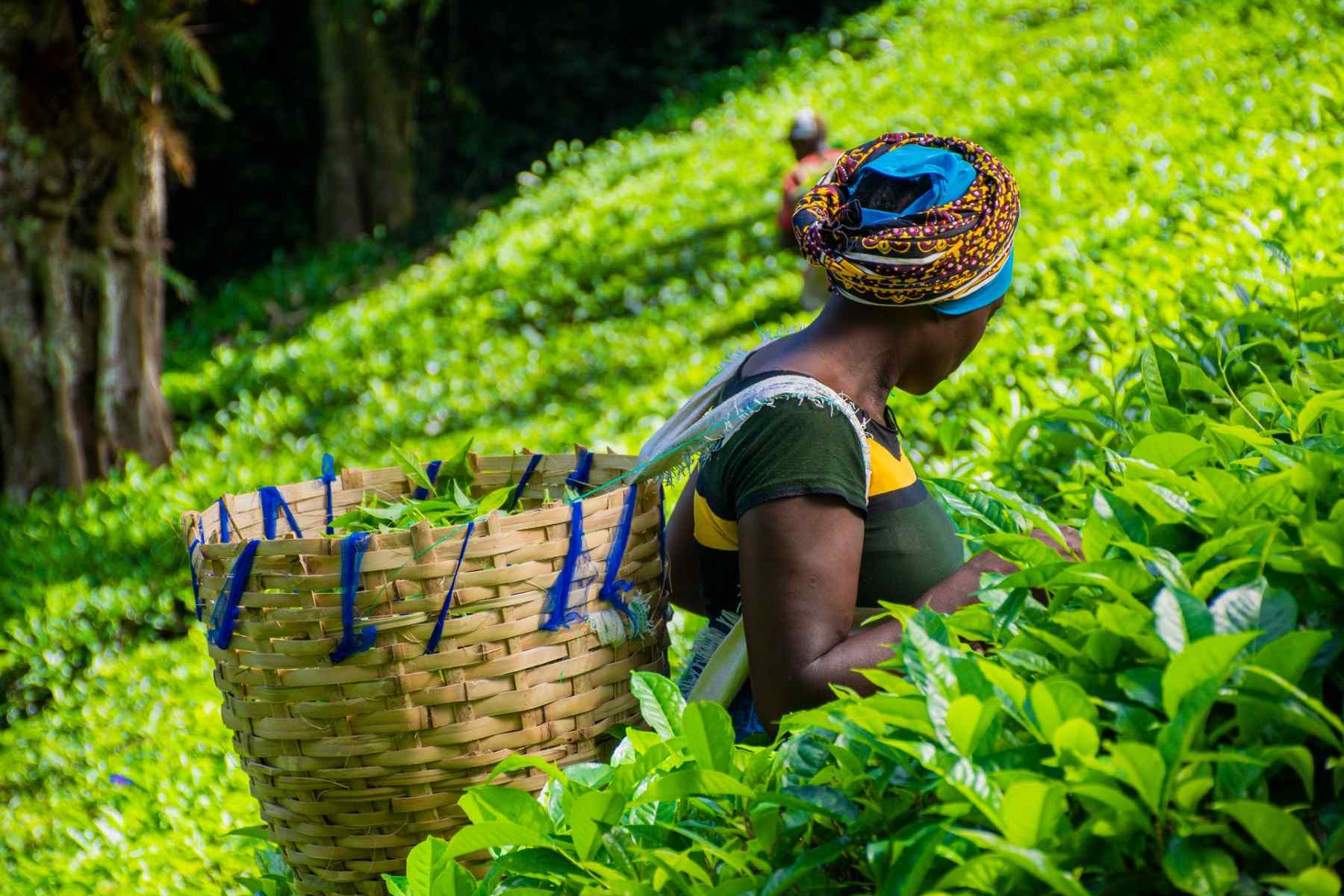
[ IMAGE PLACEHOLDER ]Insert: Vibrant photograph of a Kenya highland tea estate at harvest time with workers plucking leaf — recommended size 1200 x 600px
Why Kenya is the world’s premier tea export origin
Before covering the mechanics of how to start a tea export business in Kenya, it is worth understanding exactly why Kenya holds the position it does in the global tea industry. That context shapes everything from the pricing dynamics you will encounter to the buyers you will attract and the competitive advantages you can legitimately claim.
Kenya’s tea-growing regions, principally the highlands of Kericho, Nandi Hills, Limuru, and Nyeri, sit at elevations between 1,500 and 2,700 metres above sea level. At these altitudes, cooler temperatures slow the growth of the tea plant, concentrating flavour compounds and producing a leaf with exceptional strength, colour, and brightness. The volcanic soils of these highland zones are exceptionally well-drained and organically rich, providing the precise nutrient balance that the tea plant requires for optimal yield and quality. And unlike most other major tea origins, Kenya’s equatorial climate delivers rainfall throughout the year, enabling consistent two-flush-per-year production schedules that provide buyers with reliable year-round supply.
3rd
Largest tea producer globally
1st
Largest black CTC exporter worldwide
500K+
Tonnes exported annually
50+
Countries receiving Kenyan tea
The result of this geography and climate is a tea that the global industry cannot do without. Kenya’s black CTC teas deliver the bold colour, brisk finish, and reliable strength that form the backbone of the world’s most popular blends. When a tea brand in the UK, a tea packer in Egypt, or a foodservice operator in the UAE needs a dependable, high-quality black tea base, they reach for Kenyan tea export products first. This consistent global demand is the commercial foundation on which a tea export business in Kenya is built.
The licences you need before you can export tea from Kenya
The licensing framework for tea export in Kenya is administered primarily by the Tea Board of Kenya, established under the Tea Act, and supplemented by requirements from the Kenya Revenue Authority, the Kenya Plant Health Inspectorate Service, and the Kenya Bureau of Standards. Understanding which licences apply to your business model before you begin trading is essential. Operating without the correct authorisations exposes your consignments to seizure, your business to prosecution, and your reputation with international buyers to irreparable damage.
Tea Dealer Licence
Issued by the Tea Board of Kenya. Required for any entity that buys, sells, or trades in made tea within Kenya. This is the foundational licence for anyone operating in the Kenyan tea market, whether you are sourcing from the Mombasa Auction or directly from producers.
Tea Exporter Licence
Also issued by the Tea Board of Kenya. Required specifically for entities exporting tea from Kenya. The Tea Board regulates export quantities, destinations, and documentation to ensure Kenya’s tea export reputation is protected and that quality standards are consistently maintained at the border.
Phytosanitary Certificate
Issued by KEPHIS for each export consignment. This certificate confirms that the tea has been inspected and meets international plant health and food safety standards. Almost every importing country requires a valid phytosanitary certificate before a consignment clears customs.
Certificate of Origin
Issued by the Kenya Revenue Authority or accredited chambers of commerce. Confirms that the tea being exported originates from Kenya. Required by importing countries to apply preferential trade terms under agreements such as the East African Community framework and various bilateral trade treaties.
KEBS Quality Certificate
The Kenya Bureau of Standards issues quality inspection certificates confirming the tea meets Kenyan export quality standards. Some destination markets require additional quality certifications, including organic certification, Rainforest Alliance, or Fairtrade, depending on the buyer and their retail positioning.
Business Registration
Your tea export business must be formally registered with the Registrar of Companies in Kenya. An international buyer will almost always request your certificate of incorporation as part of their supplier onboarding and due diligence process before placing their first order.
Licensing timeline note
The full licensing process for a new tea export business in Kenya typically takes between 4 and 10 weeks from initial application to first authorised export, depending on how quickly documentation is assembled and whether any queries are raised by the Tea Board. Build this timeline into your business launch plan to avoid delays on your first consignment.
Understanding Kenyan tea grades and why they matter
One of the most critical pieces of knowledge any operator of a tea export business in Kenya needs to master is the tea grading system. Tea grades are not cosmetic labels. They are standardised classifications of leaf particle size and processing method that directly determine the strength, colour, brewing behaviour, and commercial value of the tea. Sourcing the wrong grade for your buyer’s application is one of the most common and costly mistakes new exporters make.
Kenya produces predominantly CTC tea, referring to the Cut, Tear, Curl processing method that creates small, uniform particles engineered for maximum strength and colour extraction. The main export grades from Kenyan tea estates are as follows:
BP
Broken Pekoe
Larger particle. Slower brew, rich coppery cup. Suited to teapot and loose-leaf retail formats.
BOP
Broken Orange Pekoe
Medium-large particle. Full body and good colour. Popular with Middle Eastern blenders.
PF
Pekoe Fannings
Medium particle. Standard tea bag grade. Reliable colour and smooth finish.
BOPF
Broken Orange Pekoe Fannings
Premium fannings grade. Bright brisk liquor with exceptional colour. Preferred by top retail brands globally.
PD
Pekoe Dust
Fine dust particle. Intense colour and strength. Used in envelope tea bags and instant tea products.
Dust 1
Fine Dust
Smallest particle. Maximum strength and deepest colour. Ideal for string-and-tag tea bag production.
When you engage a buyer for the first time, their first question will almost certainly be about grade. Having a clear understanding of what each grade delivers in the cup, what it costs at auction, and which buyers typically require which grades positions you as a knowledgeable, credible trading partner rather than a speculative middleman. This knowledge is the difference between being taken seriously in the international tea export Kenya market and being sidelined in favour of more experienced operators.
How to source tea for export: the Mombasa Auction and direct purchase
There are two primary sourcing channels available to a tea export business in Kenya: the Mombasa Tea Auction and direct purchase arrangements with tea estates or factories.
The Mombasa Tea Auction is the largest tea auction in the world by volume, processing in excess of 400 million kilograms of tea annually. Held every Tuesday at the Tea Trade Centre in Mombasa, the auction brings together registered brokers, buyers, and sellers to trade Kenyan, Rwandan, Ugandan, and Tanzanian teas in a competitive, price-transparent environment. To participate as a buyer at the Mombasa Auction, you must register with the East African Tea Trade Association and operate through a licensed broker. The auction sets the weekly benchmark price for Kenyan tea and is the most reliable source of consistent volume across all major grades.
Direct purchase arrangements with tea estates or processing factories offer a different set of advantages. When you buy directly, you can negotiate specific quality parameters, agree on dedicated grade allocations, build long-term supply relationships, and in some cases access estates with specialty certifications such as organic or Rainforest Alliance that command premium prices with certain international buyers. Direct arrangements require more relationship investment upfront but typically deliver better price consistency and supply reliability over time, particularly for buyers with specific quality or certification requirements.
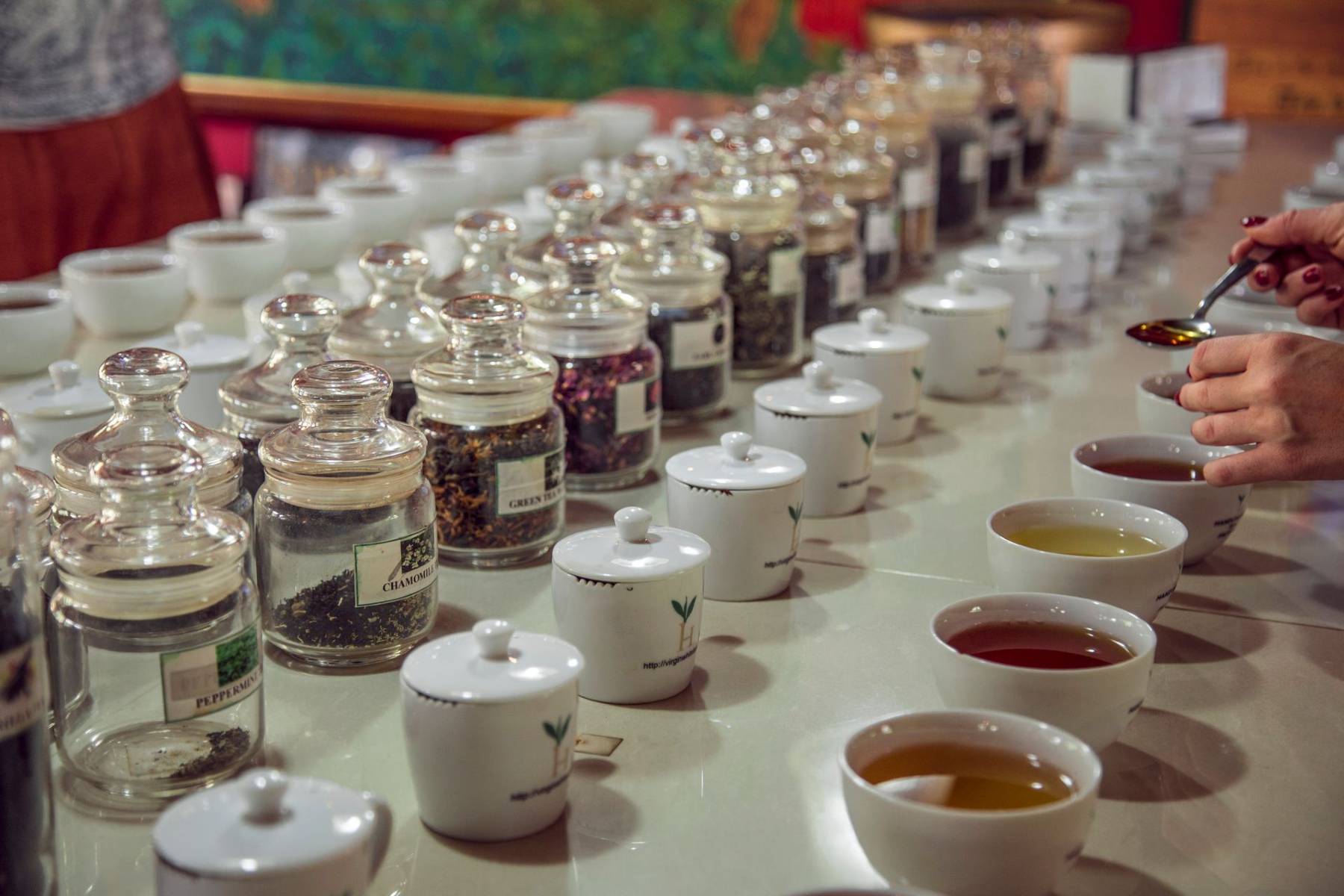
[ IMAGE PLACEHOLDER ]Insert: Interior photograph of the Mombasa Tea Auction Centre or a tea tasting and grading session — recommended size 1200 x 500px
How to find international buyers for Kenyan tea
Finding buyers is where many aspiring operators of a tea export business in Kenya encounter their greatest challenge. The global tea import market is relationship-driven, quality-conscious, and cautious about new supplier relationships. Buyers who have been burned by inconsistent supply, quality failures, or documentation problems from previous suppliers are not eager to repeat the experience. Breaking into this market as a new exporter requires patience, credibility, and a clear demonstration that you can deliver consistently at the standard you claim.
Tea trade fairs
World Tea Expo, the Anuga Food Trade Fair in Cologne, and Gulfood in Dubai are the primary international forums where tea buyers and sellers meet. Attending as an exhibitor or registered buyer gives you direct access to importers, blenders, and brand owners actively looking for East African supply partners.
Online trade platforms
Platforms including Alibaba, Global Sources, and specialised food trade directories are increasingly used by international buyers to identify new tea suppliers. A well-presented listing with clear grade information, quality certifications, and verifiable business details can generate qualified inbound enquiries from buyers you may never reach through traditional networking.
Tea Board of Kenya
The Tea Board maintains trade facilitation services and buyer referral networks for registered Kenyan tea exporters. Engaging proactively with the Tea Board’s export promotion team connects you with market intelligence, buyer leads, and trade mission opportunities in target markets including the UAE, UK, Pakistan, and Egypt.
Direct outreach
Identify importers in your target markets through industry directories such as the Tea and Herbal Association of Canada, the UK Tea and Infusions Association, and equivalent national bodies in target markets. Direct outreach to procurement teams, supported by samples and full documentation packages, remains one of the most effective ways to initiate a new buyer relationship.
When approaching any potential buyer for the first time, the quality of your sample is your most powerful sales tool. Before making contact, ensure you have professionally packaged, clearly labelled, properly graded samples ready to dispatch. Include an assay or quality certificate from a recognised laboratory, your phytosanitary and KEBS certification documentation, and a clear, professional one-page business overview. Buyers who receive this level of preparation from a new supplier immediately take the relationship more seriously than one supported by a WhatsApp message and an informal quote.
Adding value: blending, packaging, and private label
The most profitable segment of the tea export business in Kenya is not bulk commodity trading. It is value-added processing: blending, packaging, and private label production that transforms raw grade tea into a finished, retail-ready or foodservice-ready product. A kilogram of BOPF sold as bulk commodity at the Mombasa Auction fetches a fraction of what the same kilogram commands when it has been blended to a specific cup profile, packaged in a premium gift tin with a custom label, and sold to a UK retailer as a branded Kenyan single-origin product.
Investing in even a modest blending and packaging capability as part of your Kenya tea export operation opens access to an entirely different, higher-margin buyer category: independent tea brands, specialty food retailers, hotel chains, airline caterers, and private label supermarket programmes that are willing to pay a significant premium for finished product over raw commodity. This transition from pure exporter to value-added supplier is the step that separates tea businesses that grow into substantial enterprises from those that remain perpetually margin-squeezed commodity traders.
Insight from Tanziil Tea Trading
“The tea export businesses in Kenya that build lasting profitability are not the ones with the lowest cost per kilogram. They are the ones that develop deep buyer relationships, deliver consistent quality, and progressively move up the value chain from bulk commodity into finished product. Every step toward the consumer end of the supply chain is a step toward a better margin and a more defensible business.”
How Tanziil Tea Trading can support your tea export journey
Tanziil Tea Trading, a dedicated subsidiary of Waveluck Group, is East Africa’s full-service tea trading and export partner. Whether you are taking your first steps into the tea export business in Kenya or scaling an existing operation, we offer the sourcing access, technical expertise, blending capability, and export logistics infrastructure you need to operate professionally and competitively in the global market.
We source across all major Kenyan tea grades from certified estates and the Mombasa Tea Auction, and we maintain direct relationships with estates in Rwanda and Uganda for clients requiring specific cup profiles or specialty certifications. Our blending facility allows us to develop custom blend specifications to your buyer’s exact requirements, and our packaging operation supports private label programmes from small emerging brands to large-scale retail supply contracts.
For new exporters navigating the licensing process for the first time, our team provides practical guidance on Tea Board registration, documentation requirements, and the steps involved in preparing your first compliant export consignment. For established exporters looking to diversify their buyer base or move into value-added production, we offer the infrastructure and market connections that can accelerate that transition significantly.
- Auction sourcing accessacross all major Kenyan grades from the Mombasa Tea Auction and direct estate relationships
- Custom blendingto buyer specifications with full quality documentation and laboratory certification
- Private label packagingfrom tea bags and retail pouches to premium tins and institutional catering packs
- Export documentation managementcovering phytosanitary certificates, certificates of origin, and KEBS quality certification
- Tea transportfrom estate or factory to Mombasa Port using quality-preserving, dedicated logistics through Waveluck Logistics
- Buyer introductionsthrough our established network of international importers, blenders, and private label buyers
[ IMAGE PLACEHOLDER ]Insert: Tanziil Tea Trading blending and packaging facility with team at work — recommended size 1200 x 500px
Ready to start or grow your tea export business?
Contact Tanziil Tea Trading for a sourcing consultation, export guidance, or a custom blending and packaging proposal.


Hi, this is a comment.
To get started with moderating, editing, and deleting comments, please visit the Comments screen in the dashboard.
Commenter avatars come from Gravatar.